
Grinding is a relatively complex machining process;
the dynamic balance of the grinding wheel mounted on the spindle significantly affects the surface finish of the workpiece.
We conducted a test to perform a direct analysis of how the grinding wheel's dynamic balance influences workpiece roughness.
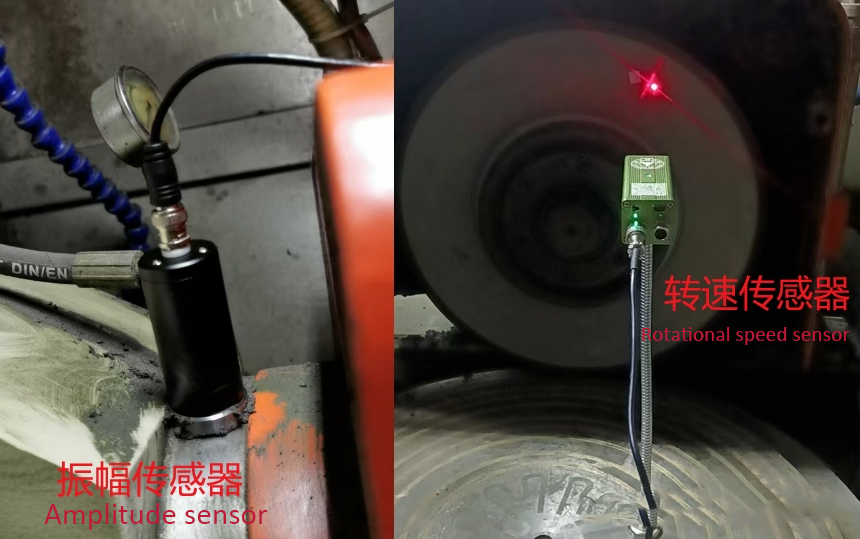
Machine: Horizontal‑spindle rotary table surface grinder
Grinding Wheel: Model 14A1, 350×127×10×30×40T, 80# CBN grinding wheel
Workpiece: φ350 heat‑treated steel plate, material 75Cr1
Grinding Parameters: Spindle speed 1800 rpm; feed depth 0.005 mm on each side; rough grinding traverse speed setpoint:10; finish grinding traverse speed setpoint:7.
Measure workpiece roughness after 50 rough‑grinding passes and 4 finish‑grinding passes per workpiece.
Inspection Instruments: Zheda handheld online dynamic balancer; Mitutoyo surface roughness tester
Test Results: When dynamic balance vibration amplitude = 0.35 mm/s, post‑grinding workpiece roughness Ra = 0.806
When dynamic balance vibration amplitude = 0.04 mm/s, post‑grinding workpiece roughness Ra = 0.607